

New iPhones are sleek, powerful, and packed with features, but what happens when that shiny device starts feeling more like a mini sauna? If your new iPhone’s heating up faster than your morning coffee, you’re not alone. Many users have experienced this puzzling phenomenon, and it’s enough to make anyone question if they accidentally purchased a portable heater instead.
Before you start panicking and thinking your phone’s auditioning for a role in the next sci-fi movie, let’s dive into some common reasons for that unexpected warmth. From demanding apps to the latest software updates, there’s usually a logical explanation behind the heat. Understanding why your iPhone is getting hot can help you keep it cool and functioning at its best, so you can enjoy all those fancy features without breaking a sweat.
Understanding iPhone Heat Generation
New iPhones can generate heat for various reasons. Understanding these factors helps users address overheating issues effectively.
Common Causes of Overheating
Demanding apps can push the device to its limits, leading to increased heat. Background processes, such as automatic updates or syncing, also contribute to heat generation. Additionally, using resource-intensive features like GPS and high-resolution gaming can elevate temperature. Exposure to direct sunlight results in heat as well. In some cases, a malfunctioning or outdated app causes overheating, necessitating user attention. Monitoring device activity ensures optimal performance.
How Ambient Temperature Affects Your Device
Ambient temperature directly influences iPhone performance. High external temperatures can cause the device to work harder, producing excess heat. Operating in cold conditions may lead to short-term issues, as the device struggles to maintain functionality. It’s essential to avoid leaving an iPhone in hot environments, like a car on a summer day. Keeping the device at moderate temperatures enhances battery life and overall efficiency. Users should remember that prolonged exposure to extreme temperatures can damage internal components.
Software Factors Contributing to Overheating
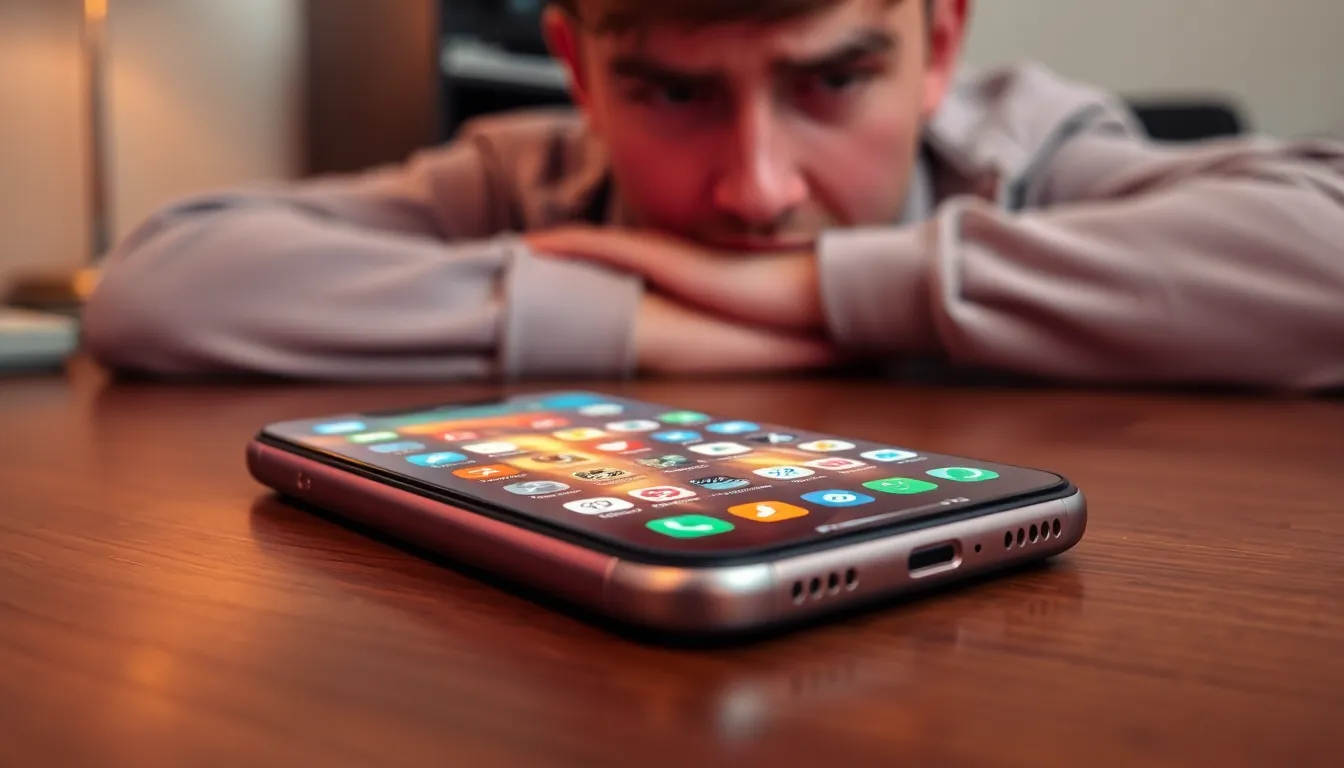
iPhones can heat up due to several software-related issues. Understanding these factors helps users address overheating effectively.
Background App Usage
Apps running in the background may contribute significantly to heat generation. Users often overlook those applications consuming resources without their knowledge. Notifications from multiple apps can strain the processor even when the device appears idle. Checking background activity helps identify which apps are most resource-intensive. Users should consider closing unnecessary apps to minimize heat production. Regular monitoring of settings ensures efficient app performance.
Software Updates and Bugs
Software updates play a crucial role in overall device performance. Sometimes, new updates contain bugs that may cause overheating issues. Implementing the latest updates typically improves security and performance, but unresolved bugs can lead to excessive heat. Users often notice increased temperatures during initial rollout phases of major updates. Reporting these issues to Apple can help developers address them more swiftly. Regularly updating to the latest version remains essential for minimizing overheating problems.
Hardware Influences on Device Temperature
New iPhones experience heat generation due to various hardware factors. Understanding these influences helps users take proper measures to maintain device performance.
Battery Health and Performance
Battery health significantly impacts temperature regulation. A degraded battery can produce excess heat during charging and usage. Users should regularly check battery health in settings to ensure optimal performance. Swiftly addressing battery issues can prevent overheating. Replacing an old battery might become necessary if it consistently shows reduced performance. An efficient battery not only prolongs life but also minimizes heat production during everyday tasks.
Accessory Impact on Heat Build-Up
Accessories can also contribute to heat build-up. Certain cases, especially those without ventilation, trap heat around the device. Avoiding heavy or insulated cases during intensive usage can help maintain optimal temperature. Additionally, using third-party chargers that lack certification might cause overheating. Opting for original Apple accessories ensures better compatibility and heat management. Keeping accessories in good condition prevents potential overheating issues linked to temperature retention.
User Behavior and Overheating
User behavior significantly impacts iPhone temperature. Several common practices may inadvertently lead to overheating.
Usage Patterns That Increase Heat
Intensive app usage generates excess heat. Users engaging in high-resolution gaming, streaming videos, or using augmented reality applications should monitor device warmth. Background processes can also raise temperatures, especially with apps like social media running continuously. Frequent location tracking via GPS incurs additional strain on the device. Users should close unused apps and limit resource-heavy tasks for better temperature management. Regularly checking app activity ensures they don’t unknowingly contribute to overheating.
Charging Habits That Affect Temperature
Charging habits influence device temperature. It’s critical to avoid using the iPhone while charging, as it can increase heat production. Conventional chargers may also cause elevated temperatures, particularly if they lack proper certification. Using the original Apple charger enhances safety during charging. Leaving the phone in cases that trap heat while charging poses risks, too. Allowing ventilation during the charging process can help maintain optimal temperatures. Users should follow these practices to reduce the likelihood of overheating.
Potential Solutions to Manage Heat
Several strategies exist to help manage iPhone heat effectively. Users can implement these changes to improve device performance and comfort.
Tips for Reducing Overheating
Monitor app usage closely. High-resolution games and intensive applications consume significant resources, leading to heat generation. Close background apps regularly to minimize extra processing. Using phones in shaded areas enhances cooling and avoids direct sunlight exposure. Charging habits also matter; avoid using the phone during charging and choose genuine Apple chargers. Removing heavy cases during intensive activities provides better airflow. Regularly update software to ensure optimal performance and address potential bugs.
When to Seek Professional Help
Consider contacting professionals under specific circumstances. Persistent overheating may indicate serious hardware issues. Check battery health; degraded batteries often contribute to excessive heat. If the device consistently runs warm without demanding usage, seek assistance. Users encountering unusual behavior during software updates should reach out to Apple support. Frequent malfunctions or unexpected shutdowns warrant immediate attention. These indicators help assess the need for a technician’s expertise.
Experiencing heat from a new iPhone can be concerning but understanding the underlying causes helps users manage this issue effectively. By monitoring app usage and being mindful of charging habits users can significantly reduce the chances of overheating.
Regularly updating software and using genuine accessories also play crucial roles in maintaining optimal device performance. If overheating persists despite taking precautions it’s wise to seek professional assistance.
With the right approach users can enjoy their iPhones without the worry of excessive heat.


