

In the fast-paced world of startups, culture isn’t just a buzzword—it’s the lifeblood that fuels innovation and creativity. Picture a vibrant workspace where ideas bounce off the walls like a game of ping pong, and every team member feels like a superhero ready to save the day. Startup culture embraces risk-taking, collaboration, and a sprinkle of chaos, making it a thrilling ride for those brave enough to hop on board.
Understanding Startup Culture
Startup culture shapes how teams interact, innovate, and grow. This environment emphasizes agility, adaptability, and collaboration.
Definition of Startup Culture
Startup culture refers to the collective values, beliefs, and behaviors that drive a startup’s operations and mission. It includes aspects like teamwork, open communication, and a willingness to embrace change. Organizational norms develop from the company’s founders and leadership style. The unique culture fosters passion and dedication, encouraging employees to take initiative and contribute to the company’s success.
Key Characteristics of Startup Culture
Flexibility defines startup culture, with a focus on rapid decision-making and responsiveness to market changes. Innovation thrives as team members are encouraged to think outside traditional frameworks. Collaboration is essential, often resulting in a non-hierarchical approach where everyone’s input is valued. Risk-taking also plays a critical role, as startups embrace failure as a learning opportunity. A sense of community often emerges, creating strong bonds among team members who share a common vision.
The Evolution of Startup Culture
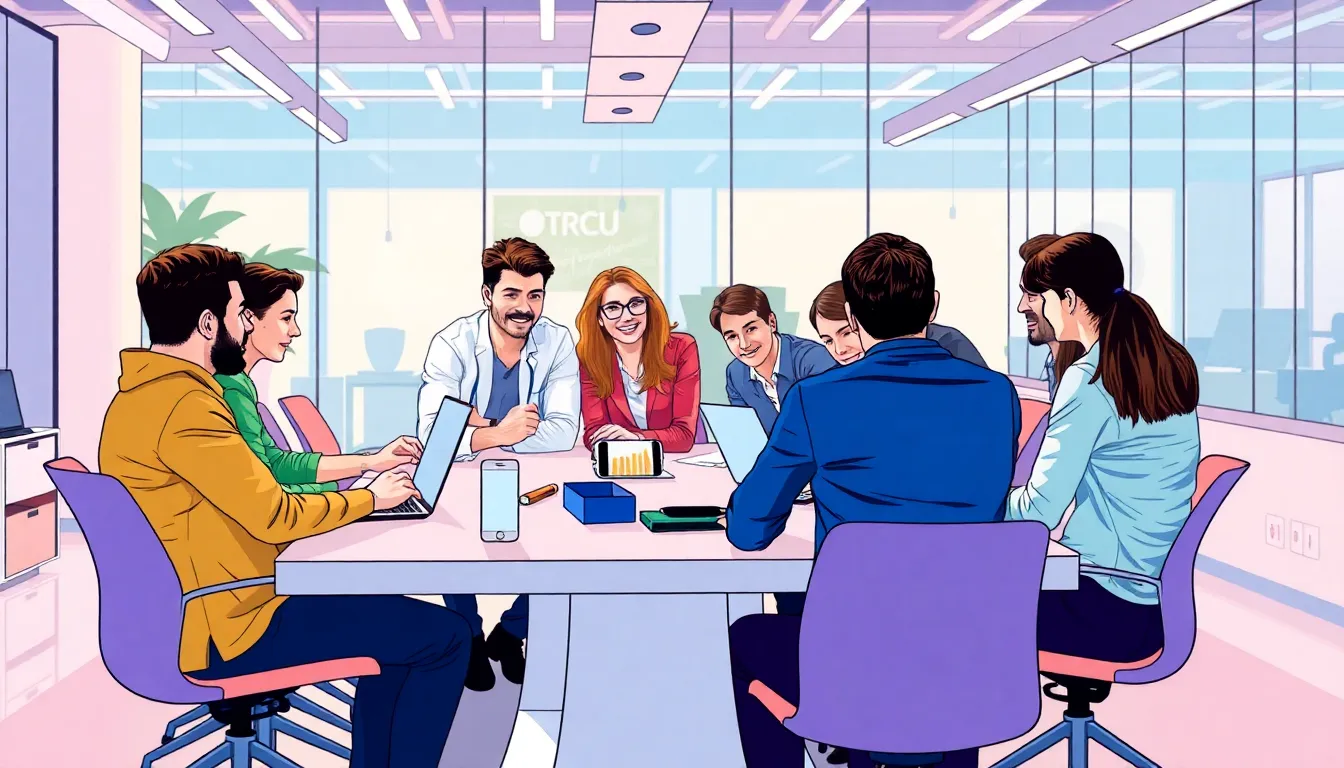
Startup culture has evolved significantly, driven by changing landscapes in technology and business practices. This culture reflects the broader societal shifts and the growing importance of innovation.
Historical Context
Startups emerged prominently in the 1980s and 1990s, with the rise of the tech industry. Companies like Apple and Microsoft pioneered a fresh approach to business, valuing creativity and risk-taking. Their success laid the groundwork for future startups to adopt similar practices. The dot-com boom of the late 1990s catalyzed further entrepreneurial ventures, showcasing the potential for rapid growth. Characteristics like agility and collaboration became essential during this period, influencing how teams interacted. A culture prioritizing innovation took root, encouraging unconventional ideas and flexible work environments.
Influential Factors in Startup Culture Development
Several influential factors have shaped the current startup culture. The rise of technology plays a pivotal role, with advancements facilitating collaboration across geographic boundaries. Access to funding has also expanded, driven by venture capitalists seeking high-potential companies. Moreover, an emphasis on diversity and inclusion has transformed workplace dynamics, fostering wider perspectives and creativity. Networking opportunities, particularly through events and online platforms, connect entrepreneurs and investors in unprecedented ways. This interconnectedness enhances knowledge sharing and innovation within startup ecosystems.
Benefits of a Strong Startup Culture
A strong startup culture offers numerous benefits that significantly enhance the work environment. Fostering a sense of belonging and purpose within the team drives engagement and productivity.
Enhanced Employee Engagement
Engaged employees demonstrate higher levels of motivation and commitment. They often become more involved in their tasks and the company’s mission. Open communication channels allow for the expression of ideas, which creates a shared sense of ownership. A culture that encourages risk-taking supports innovative thinking, making employees feel empowered to contribute. Regular team-building activities reinforce relationships, promoting collaboration. When teams feel valued, retention rates improve, and turnover costs decrease.
Attracting Top Talent
Top talent seeks work environments that align with their values and ambitions. Startups with a strong culture often stand out in competitive job markets. Employees tend to prefer organizations that prioritize flexibility and creativity over rigid hierarchies. Positive workplace cultures attract individuals who are passionate about their work. They actively look for companies that valorize diversity and inclusion, further enriching team dynamics. By showcasing a vibrant culture, startups can successfully draw in skilled professionals eager to contribute.
Challenges in Startup Culture
Navigating startup culture presents several challenges. Rapid change often disrupts workflows and team dynamics. Teams adjusting to new tools or strategies may experience stress. Employees find it difficult to keep pace with evolving objectives. Flexibility becomes crucial in overcoming these obstacles. Adaptation strategies, such as regular feedback loops and agile methodologies, enhance resilience.
Balancing productivity and innovation proves essential in startups. Organizations often prioritize immediate results but risk stifling creativity. Encouraging teams to explore new ideas while maintaining performance goals creates tension. Clear communication about expectations fosters an environment where experimentation thrives. Structured brainstorming sessions and designated innovation time can help manage this challenge. Integration of goal-setting frameworks ensures that creativity aligns with organizational objectives.
Startup culture is a powerful driver of innovation and engagement. By fostering an environment that values collaboration and risk-taking, startups can create a vibrant atmosphere where creativity flourishes. As the landscape of entrepreneurship continues to evolve, maintaining a strong culture remains essential for attracting top talent and ensuring long-term success.
Embracing flexibility and adaptability allows startups to navigate challenges while encouraging experimentation. When teams feel empowered and connected to a shared vision, they become more dedicated to achieving the company’s goals. Ultimately, a thriving startup culture not only enhances productivity but also cultivates a sense of belonging, making it a cornerstone of any successful entrepreneurial venture.